Common Causes of Workplace Manual Handling Injuries (And How to Prevent Them)
One of the most frequent reasons people miss work in warehouses, workshops, and other industrial settings is still manual handling injuries. These injuries frequently result from routine daily chores that put employees under needless stress over time rather than from a single incidence.
Manual lifting, pushing, tugging, and carrying of items frequently become second nature, particularly in busy operations. Even though everything seems to be "functioning OK" on the surface, the risk of injury increases rapidly when this is coupled with inappropriate equipment or higher workloads.
Why Manual Handling Injuries Are So Common
Rather than being the result of carelessness, workplace manual handling injuries typically result from a confluence of operational and environmental factors.
· Typical reasons consist of:
· Repeated lifting or bending throughout the day
· Moving loads that are heavier or more awkward than the equipment was designed for
· Long travel distances when moving pallets or goods
· Using manual equipment for tasks that have increased in frequency
· Working in confined, wet, cold, or uneven environments
As businesses grow or workloads change, equipment and processes don’t always evolve at the same pace — and that’s where problems begin.
The Hidden Impact of Manual Handling Accidents
Manual handling injuries have significantly more costs than just the acute harm. The operational ramifications are frequently overlooked, despite the substantial physical impact on employees.
· Manual handling injuries can eventually result in:
· Increased sickness absence and staff turnover
· Reduced productivity due to fatigue or restricted movement
· Slower order processing and workflow disruption
· Higher insurance and compensation costs
· Lower morale across teams
An operator's performance can be diminished by even little stress, leading to bottlenecks and inefficiencies that affect the overall operation.
Signs Manual Handling Injuries Are Becoming a Risk
Unknown to you, you might already be observing early warning indicators. These frequently consist of:
· Staff frequently complaining of back, shoulder, or joint pain
· Operators avoiding certain tasks or equipment
· Jobs taking longer than expected due to fatigue
· Increased reliance on “two-person lifts”
· Equipment being used in ways it wasn’t intended to reduce effort
· More frequent sick days
Although these indications are sometimes written off as typical, they typically show that the demands of manual handling are going beyond safe bounds.
How Wrong Equipment Increases Injury Risk
Manual handling injuries are frequently the consequence of equipment that is no longer appropriate for the activity; they are rarely the result of effort alone.
When pallet trucks, trolleys, or lifting equipment are used for purposes other than its intended duty, they can:
· Increase the force required to move loads
· Encourage awkward postures or overreaching
· Lead to repeated strain on the same muscle groups
· Cause faster wear, making equipment harder to operate
Operators compensate when equipment malfunctions, and this compensation frequently leads to injuries.
Practical Ways to Prevent Manual Handling Injuries
Businesses can take several doable actions to further lower the hazards associated with manual handling in addition to choosing the appropriate equipment:
· Review task frequency, not just load weight — lighter loads moved repeatedly can pose just as much risk as heavier one-off lifts
· Adjust working heights wherever possible so tasks are carried out between knee and shoulder height
· Reduce carrying distances by repositioning packing stations, racking, or drop zones closer to where loads are handled
· Encourage task rotation to avoid repeated strain on the same muscle groups throughout the day
· Ensure clear walkways and floors to reduce sudden movements, twisting, or loss of balance when handling loads
· Provide basic manual handling refreshers, especially when workloads or processes change
· Listen to operator feedback, as early complaints or workarounds often highlight risks before injuries occur
The danger of injury is greatly decreased, and daily productivity naturally increases when sensible modifications like these are paired with equipment that facilitates safer handling.
When It’s Time to Reassess Your Manual Handling Setup
Major operational adjustments are typically not necessary to reduce manual handling injuries. Most of the time, it begins with locating the areas of strain and implementing technology that lessens physical strain and difficult movement.
Manual mobile scissor lift tables are frequently used to move loads to a safer working height and lessen shoulder and back strain for jobs requiring frequent lifting, bending, or working at floor level: This link: https://www.liftruck.co.uk/mobile-scissor-lift-tables.html
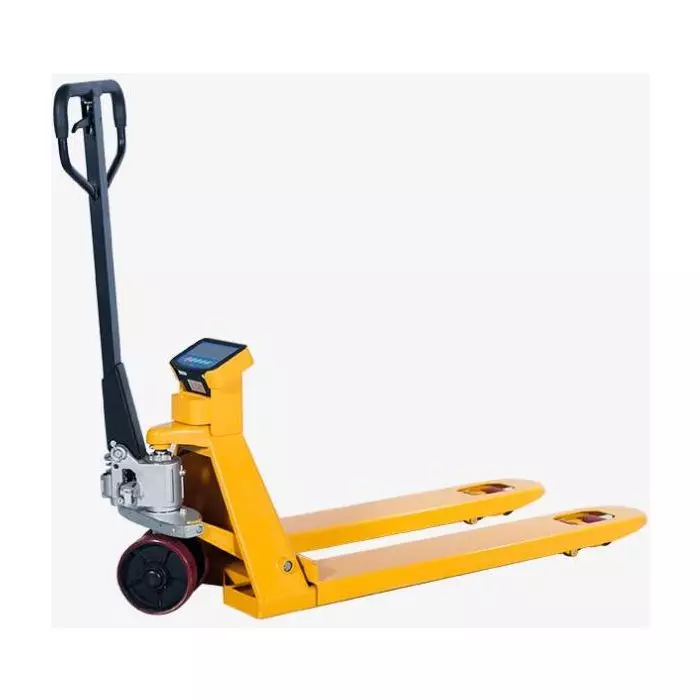
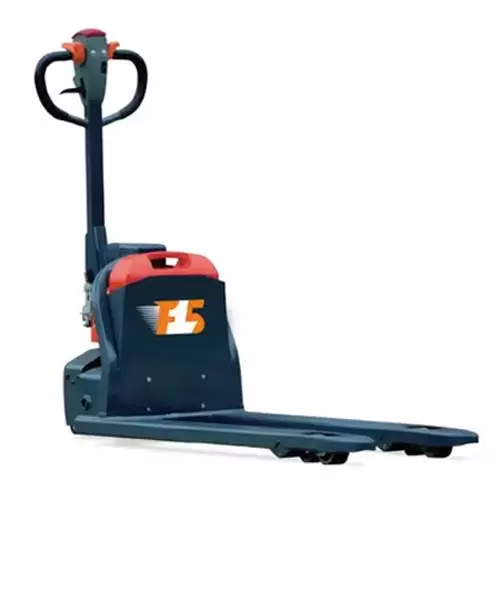
Selecting the appropriate pallet truck for the load weight, distance, and environment can greatly lessen operator labor and fatigue in situations where pallets are moved frequently throughout the day: https://www.pallet-trucks.html/liftruck.co.uk
Platform trolleys and manual handling trolleys minimise the danger of strain and injury in locations where items must be moved without forklift access by reducing carrying lengths and improving control: https://www.liftruck.co.uk/trolleys.html
Choosing equipment made for settings where normal equipment struggles, including wet, cold, or hygienic places, can help operators perform more safely and effectively by preventing undue force and premature wear.
Businesses may greatly lower the dangers associated with manual handling while also increasing productivity by tailoring equipment to the task, frequency of use, and working environment.
How Liftruck UK Can Help
Every day, we at Liftruck UK assist companies in choosing equipment that best suits their workload, environment, and frequency of use to lower the risks associated with manual handling.
One of the best strategies to lower manual handling accidents and boost daily productivity is to choose equipment that is appropriate for the task, environment, and operator capabilities.
Our staff is always pleased to examine your needs and suggest a safer, more effective option if you're not sure which equipment best suits your company.
0800 458 8025
info@liftruck.co.uk
Conclusion
Injuries from manual handling are not unavoidable. They are typically caused by procedures and machinery that have not kept up with daily demands.
Businesses may safeguard their employees, increase productivity, and establish a safer workplace by addressing risks early and selecting equipment that facilitates safe handling.
Our staff is always pleased to provide guidance if you need assistance analyzing your existing configuration.