How Extreme British Weather Affects Warehouses, Logistics & Material Handling
British weather has always been unpredictable, but warehouses and logistics operations are increasingly having to prepare for conditions at both ends of the scale.
Periods of intense heat can be followed by thunderstorms and heavy rainfall. Winter can bring freezing temperatures, ice, snow and strong winds, while sudden downpours can create problems around loading bays, yards and access routes in a matter of minutes.
For warehouse managers, distribution centres and businesses moving goods every day, extreme weather is much more than an inconvenience.
It can affect employee safety, warehouse floors, loading areas, outdoor traffic routes, equipment condition, productivity and ultimately the ability to get goods where they need to be.
The challenge is that a warehouse does not operate entirely indoors. Goods, vehicles and material handling equipment regularly move between protected warehouse environments and loading bays, yards, vehicles and external storage areas.
Understanding how changing weather can affect these areas is therefore an important part of keeping a warehouse safe and operational.
Why Weather Resilience Is Becoming More Important
Recent UK weather has demonstrated just how widely conditions can vary.
The Met Office confirmed that 2025 was the UK's warmest year on record, while 2026 has already experienced significant periods of extreme heat and unusually dry weather.
However, warmer conditions do not mean warehouses can forget about rainfall, storms, ice or snow.
UK businesses still need to be prepared for rapidly changing conditions, particularly where operations depend on vehicles, loading areas and equipment moving between indoor and outdoor environments.
Rather than treating adverse weather as an occasional disruption, warehouses can benefit from including weather preparation within routine site management, maintenance and risk assessments.
Heavy Rain: More Than Just a Wet Loading Bay
For many warehouses, heavy rain creates its first problems outside.
Loading bays, yards, ramps, pedestrian routes and vehicle access points can quickly become wet, while poor drainage can result in standing water.
But the effects rarely remain outside.
Forklifts, pallet trucks, delivery vehicles and employees can carry water, mud, grit and debris through warehouse entrances.
Once contamination reaches a smooth warehouse floor, conditions can change considerably.
Wet or dirty floors can increase slip risks for pedestrians and may also affect the traction and behaviour of wheeled handling equipment.
The Health and Safety Executive specifically identifies water and contamination as common causes of warehouse slips, making good housekeeping particularly important during wet weather.
What Can Warehouses Do During Heavy Rain?
Businesses should consider:
- Checking drains, gullies and external drainage routes regularly
- Removing standing water where possible
- Keeping loading bays and pedestrian routes clear
- Using appropriate entrance matting to reduce water being carried indoors
- Cleaning mud, grit and debris promptly
- Inspecting frequently used routes throughout the day
- Separating pedestrians and workplace vehicles wherever possible
- Identifying areas that become particularly slippery when wet
- Ensuring adequate lighting around yards and loading areas
Where mud, grit, leaves or other debris repeatedly accumulates across larger warehouse yards, forklift sweepers and brooms can also provide a practical way of keeping working areas clear using an existing forklift truck.
Good housekeeping may sound simple, but weather-related contamination allowed to build up can quickly become an operational and safety problem.
What Does Wet Weather Mean for Pallet Trucks?
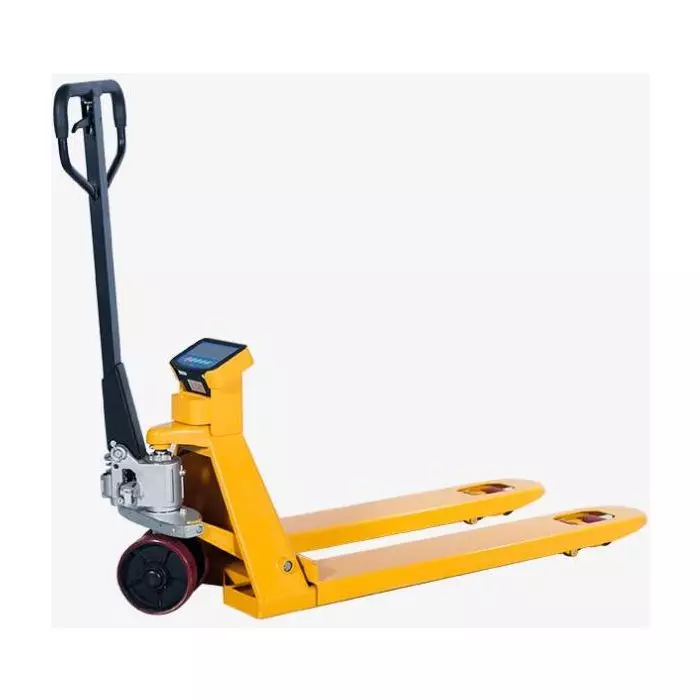
A standard hand pallet truck is designed to work at its best on an appropriate, firm and reasonably smooth surface.
Water, dirt and loose debris can make pallet movement more difficult and introduce additional stresses that may not exist during normal dry warehouse operation.
Operators should therefore pay attention to:
- Steering and load rollers
- Wheel condition
- Bearings
- Hydraulic operation
- Fork condition
- General corrosion
- Debris trapped around moving components
Pallet trucks that regularly move between indoor and exposed environments should be inspected and maintained accordingly.
It is also important to select equipment based on the environment in which it will actually operate rather than simply selecting a truck based on lifting capacity.
Wet, Damp or Corrosive Environments May Need Specialist Equipment
Where moisture is a permanent part of the working environment rather than an occasional weather event, a conventional painted pallet truck may not always be the most suitable choice.
Applications involving wash-down areas, high humidity, cold stores or other wet and corrosive environments may benefit from equipment specifically designed for those conditions.
Liftruck offers both galvanised pallet trucks and stainless steel pallet trucks for applications where improved resistance to moisture and corrosion is required.
This is particularly relevant to industries such as:
- Food production
- Fisheries
- Meat processing
- Dairy
- Pharmaceuticals
- Chemical handling
- Cold storage
- Hygiene-sensitive operations
- Wet processing environments
Choosing equipment for the actual environment can help reduce the problems associated with exposing unsuitable materials and components to moisture over long periods.
Flash Flooding and Sudden Downpours
A short, intense period of rainfall can sometimes cause more operational disruption than a full day of ordinary rain.
Water can accumulate quickly around low points, doorways and loading areas before drainage systems have time to cope.
Warehouses should identify locations where water historically collects and consider in advance how those areas would be managed.
That may include temporarily changing:
- Vehicle routes
- Pedestrian routes
- Goods-in procedures
- Loading positions
- External storage
- Equipment access
Pushing operations through an area that has suddenly become unsuitable can turn a relatively minor weather event into an accident or damaged equipment.
If conditions change, the way the site operates may need to change with them.
Heatwaves Create a Very Different Warehouse Challenge
Rain may create immediately visible problems.
Heat can be less obvious.
A warehouse may remain fully operational while the people working inside are experiencing increasingly difficult conditions.
Warehouses can become particularly uncomfortable during prolonged hot weather because of large roofs, limited air movement, machinery, vehicle movements and heat entering through loading doors.
Physical material handling also generates body heat, meaning someone manually moving pallets, boxes or equipment may experience hot conditions very differently from someone working at a desk.
The HSE advises employers to assess workplace temperatures and take reasonable steps to protect employees from heat and heat stress.
Possible measures include:
- Improving ventilation and air movement
- Providing suitable drinking water
- Reviewing work and break patterns
- Moving particularly strenuous jobs to cooler parts of the day where practical
- Reducing unnecessary physical exertion
- Monitoring employees undertaking demanding work
- Providing appropriate mechanical assistance
Reduce Unnecessary Physical Effort During Hot Weather
Heat is also a good reminder of why warehouses should avoid unnecessary manual handling in the first place.
If a heavy item can be moved mechanically rather than carried, the equipment is doing work that would otherwise have to be performed by an employee.
Equipment such as sack trucks, platform trolleys, hand pallet trucks and mobile scissor lift tables can all help businesses reduce the amount of carrying, lifting or repositioning required during suitable material handling tasks.
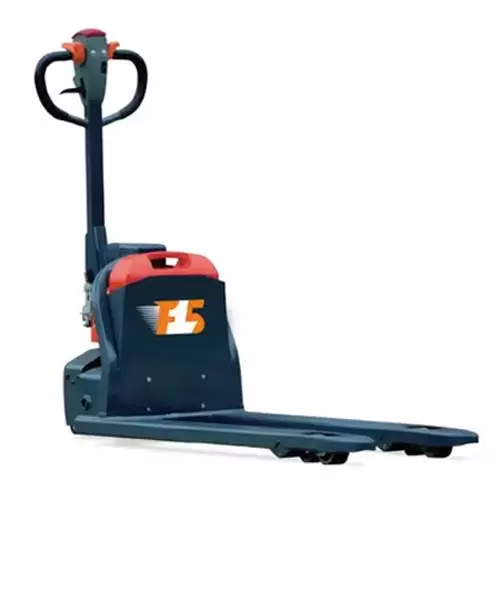
For frequent pallet movement, businesses may also consider whether electric pallet trucks could reduce the physical effort involved compared with repeatedly moving heavy palletised loads manually.
The objective is not simply to move goods faster.
Good material handling is about matching the equipment, load, operator and working environment appropriately.
Do Hot Temperatures Affect Electric Material Handling Equipment?
Warehouses increasingly use battery-powered pallet trucks, stackers and other electric equipment.
Extreme temperatures are another reason to follow the equipment manufacturer's operating and charging guidance carefully.
During hot weather:
- Keep charging areas appropriately ventilated
- Avoid obstructing ventilation around chargers or equipment
- Inspect batteries and charging equipment regularly
- Follow the specified charging procedure
- Keep electrical equipment away from water or inappropriate environments
- Investigate unexpected reductions in performance rather than ignoring them
- Follow any stated operating-temperature limits
The same principle applies during extremely cold conditions.
Different battery technologies and equipment designs can behave differently, so operators should always follow the instructions applicable to the specific machine rather than relying on a one-size-fits-all rule.
Cold Weather, Frost and Ice
Winter creates a different set of hazards around a warehouse.
Temperatures may be perfectly manageable inside while external yards, paths and loading areas become slippery.
Particular attention should be paid to:
- Loading ramps
- Dock approaches
- Pedestrian entrances
- Sloped traffic routes
- Yard entrances
- Car parks
- Outdoor storage
- Areas shaded from winter sunlight
- Places where water regularly collects and subsequently freezes
Ice can be particularly difficult because a route that appeared safe earlier in the day can become hazardous as temperatures fall.
A winter inspection routine can therefore be extremely useful.
Don't Wait Until It Snows to Think About Winter Equipment
The worst time to discover that a site cannot deal with snow or ice is after it has already arrived.
Sites with substantial external areas may benefit from having winter equipment ready before it is needed.
A forklift towable salt spreader can be used to distribute suitable dry rock salt across larger areas such as yards, roads and loading areas.
For sites susceptible to heavier snowfall, forklift snow ploughs and gritters can help businesses use an existing forklift for winter site maintenance.
Preparation should take place before adverse conditions arrive.
That means checking equipment condition, ensuring the correct material is available and making sure operators understand how equipment is intended to be used.
Mud, Leaves, Grit and Debris Can Be Just as Disruptive as Snow
Not every weather problem is dramatic.
Autumn leaves, dried mud, loose grit and debris can gradually accumulate across yards and loading areas.
Rain can then turn relatively harmless dry material into slippery contamination.
Maintaining clean traffic routes is therefore an all-year activity rather than something that should only happen after severe weather.
A forklift sweeper can be particularly useful for businesses with larger yards, depots or loading areas where manually sweeping significant areas would be inefficient.
Removing contamination early is usually easier than dealing with it after it has been spread throughout the warehouse.
Strong Winds Can Disrupt Loading Operations Too
Weather planning should not focus solely on temperature and rainfall.
Strong winds can also create problems during loading and unloading.
The HSE specifically notes that protection from bad weather may need to be considered around loading bays because strong winds can present a danger during loading operations.
Potential issues include:
- Unstable or lightweight packaging
- Loose wrapping
- Empty pallets
- Open vehicle doors
- External signage or temporary barriers
- Materials stored outdoors
- Reduced vehicle control in exposed areas
Conditions should be assessed before loading starts rather than simply continuing because the operation would normally be considered routine.
Protecting Material Handling Equipment From Weather-Related Wear
Weather preparation should include the equipment itself.
A basic inspection after particularly wet, muddy, dusty or cold conditions can prevent minor problems developing unnoticed.
Depending on the equipment, checks might include:
Wheels and Rollers
Look for excessive wear, damage and material wrapped or trapped around rotating components.
Forks and Frames
Check for obvious damage, corrosion or contamination.
Hydraulic Equipment
Look for unexpected leakage and confirm lifting and lowering functions are operating correctly.
Electric Equipment
Check battery condition, charging connections, controls and manufacturer guidance.
Moving Components
Mud, grit and contaminants should not simply be allowed to accumulate indefinitely around pivots, rollers and other mechanisms.
Forklift Attachments
Check attachment points, clamps and securing systems before use and clean equipment after working in particularly dirty conditions.
Maintenance requirements will vary between machines, so the manufacturer's instructions should always take priority.
Think About the Journey of the Load, Not Just the Warehouse Floor
One of the easiest mistakes in material handling is to consider a piece of equipment in isolation.
Instead, look at the complete journey.
A pallet may move:
- From an arriving vehicle
- Across an exposed loading bay
- Through a warehouse entrance
- Across the warehouse
- Into storage
- Back through the same areas when it is despatched
The conditions at each stage may be different.
A truck selected purely because it works well on a clean internal warehouse floor may not necessarily be the ideal solution if it frequently travels through damp or contaminated environments.
Understanding the full application before purchasing warehouse material handling equipment can therefore prevent problems later.
Create an Extreme Weather Warehouse Checklist
Businesses do not necessarily need a complicated extreme-weather policy.
A simple checklist can make a significant difference.
Before periods of adverse weather, consider asking:
Site
- Are drains and gullies clear?
- Are external traffic routes in good condition?
- Are loading areas adequately lit?
- Where does standing water normally appear?
- Which areas freeze first?
- Are pedestrian and vehicle routes clearly defined?
Housekeeping
- Is equipment available to remove water and debris?
- Are entrance mats suitable and in good condition?
- Is there a process for dealing with spillages or weather contamination immediately?
- Who is responsible for checking external areas?
Equipment
- Are pallet truck wheels and rollers in good condition?
- Has handling equipment been maintained?
- Are batteries charged correctly?
- Is winter maintenance equipment ready?
- Is the equipment suitable for the environment in which it is being used?
Employees
- Are workers aware of temporary hazards?
- Do shift handovers communicate changes in conditions?
- Are people using appropriate footwear and PPE where required?
- Is physical workload being considered during periods of extreme heat?
Operations
- Can deliveries be redirected if part of the yard becomes unsafe?
- Can loading procedures be temporarily changed?
- Are critical access routes prioritised for gritting or clearance?
- Is there a plan for particularly severe conditions?
These are relatively simple questions, but asking them before a problem occurs can help businesses respond much more effectively when the weather changes.
Don't Let the Weather Dictate Your Warehouse Productivity
No warehouse can control the weather.
What businesses can control is how prepared they are for it.
Rain, heat, freezing temperatures, snow and strong winds each create different challenges, but good housekeeping, preventative maintenance, appropriate risk assessments and properly selected equipment can make warehouses considerably more resilient.
Most importantly, the equipment used within a warehouse should be appropriate for the job and the environment.
From hand pallet trucks and electric pallet trucks to stainless steel material handling equipment, forklift sweepers, snow ploughs and gritters and mobile lift tables, selecting the right equipment can help keep materials moving safely and efficiently throughout the year.
At Liftruck UK, we supply a wide range of warehouse and material handling equipment for applications throughout the UK.
Whatever the weather decides to do next, being prepared is always easier than trying to solve the problem once it arrives.